Compare Local Contractors for Water Feature Landscaping Projects
Compare local contractors for water feature landscaping to define project scope, verify experience, and establish clear expectations in writing for a successful outcome.
Water feature landscaping projects typically involve designing, installing, and maintaining features such as ponds, waterfalls, fountains, streams, and other water elements that enhance the visual appeal and ambiance of outdoor spaces. Contractors in this field often handle tasks like site assessment, selecting suitable materials, shaping the landscape to accommodate the water feature, and integrating plumbing and electrical components. Proper planning ensures that the water features complement the existing landscape, function reliably, and require appropriate ongoing care to maintain their appearance and performance.
Clearly defining the scope of work is essential when working with contractors for water feature landscaping. A detailed scope helps outline the specific features to be installed, the desired aesthetic, technical requirements, and any associated landscaping elements. Having this information in writing reduces misunderstandings, sets realistic expectations, and provides a basis for evaluating proposals. It also assists property owners in identifying whether a contractor’s experience aligns with the complexity and style of the project, ensuring the chosen service provider can meet the specific needs of the outdoor space.
Property owners can compare local contractors for water feature landscaping by examining their experience with similar projects, reviewing the range of services offered, and assessing their reputation within the community. It’s useful to verify how long a contractor has been working in the area and whether they have a portfolio of completed projects that demonstrate their capabilities. Asking for references or examples of past work can provide insight into the quality of craftsmanship. Additionally, reviewing written proposals and scope of work can help identify which service providers are thorough and clear in their communication, making it easier to choose a contractor who aligns with the project’s goals and expectations.
Compare local contractors by outlining project priorities, verifying experience, and clearly defining scope and expectations in writing.
- Compare Contractor Expertise - Review the experience and project portfolios of local contractors to ensure they have relevant water feature landscaping skills.
- Define Project Scope Clearly - Establish detailed descriptions of desired features and outcomes to align expectations with service providers.
- Verify Experience and References - Check for proven track records and references to assess the reliability and quality of local contractors.
- Document Agreements in Writing - Ensure all project details, responsibilities, and expectations are documented to prevent misunderstandings.
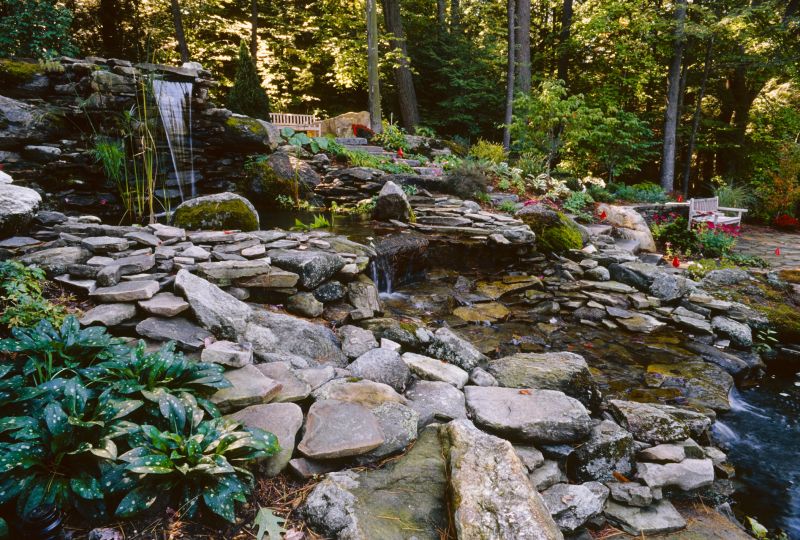
Clearly describe your water feature landscaping project to effectively compare contractors, verify their experience, and establish written expectations.
- Verify experience and expertise in designing and installing water features to ensure quality workmanship. - Look for service providers with a proven track record in water feature landscaping projects.
- Define the scope of work clearly to include materials, design elements, and installation procedures. - Ensure all project details are documented in writing to set clear expectations.
- Compare multiple local contractors to assess their approach, portfolio, and communication style. - Gathering information from different providers helps identify the best match for the project needs.
- Check references or reviews to gauge the quality of past water feature landscaping work performed by the contractors. - Feedback from previous clients can provide insight into reliability and craftsmanship.
- Confirm that the service providers understand and can meet the specific design preferences and functionality desired. - Clear communication about design goals helps avoid misunderstandings during installation.
- Ensure all project details, including scope, materials, and responsibilities, are documented in a detailed contract. - A comprehensive written agreement helps protect expectations and provides a reference throughout the project.
Use this as a starting point to compare local contractors, clarify scope, verify experience, and set clear expectations.
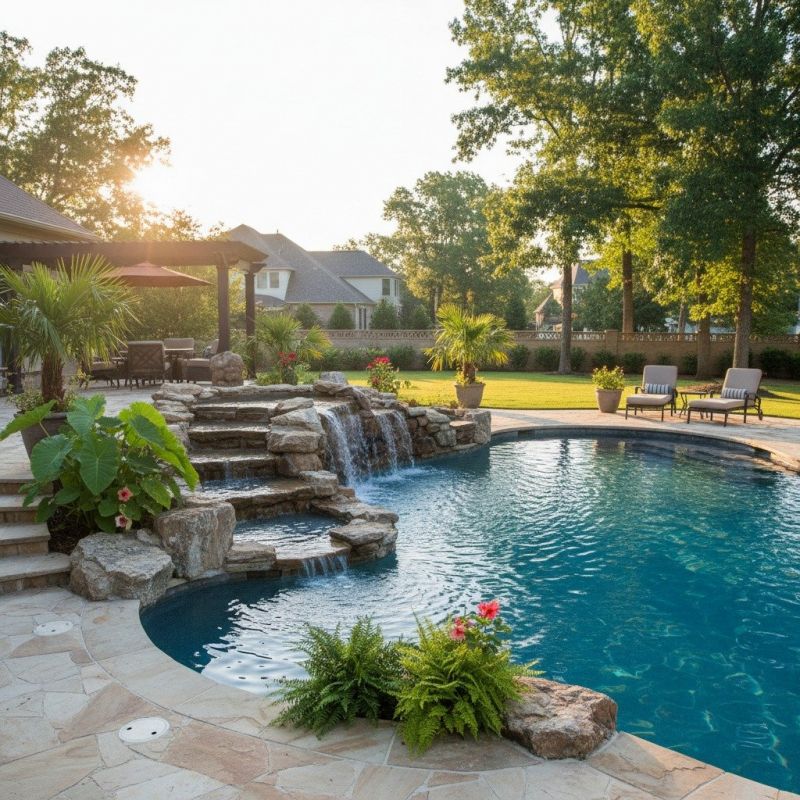
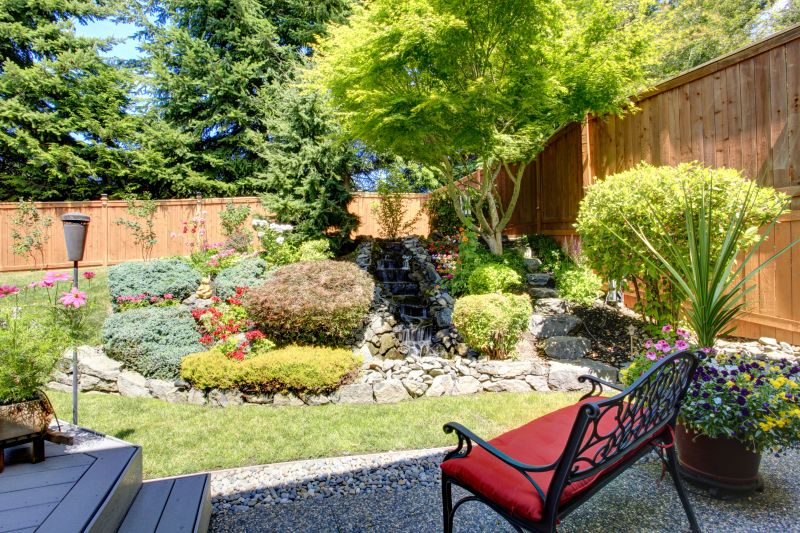
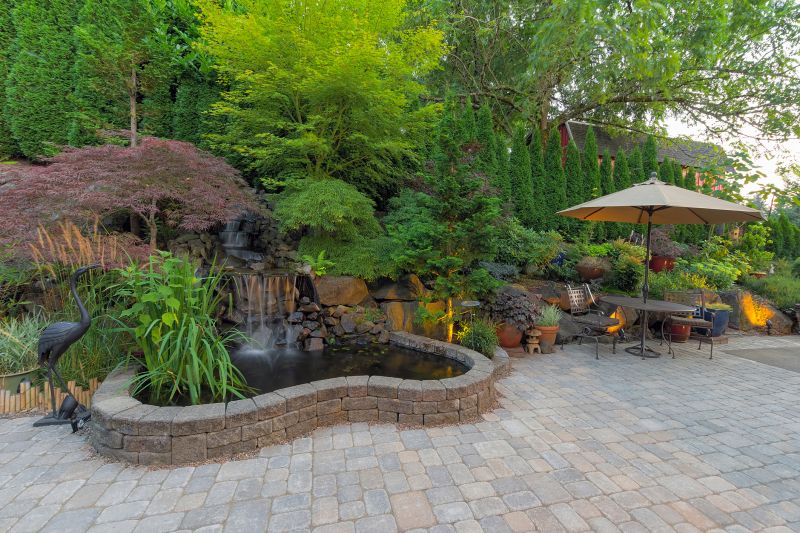
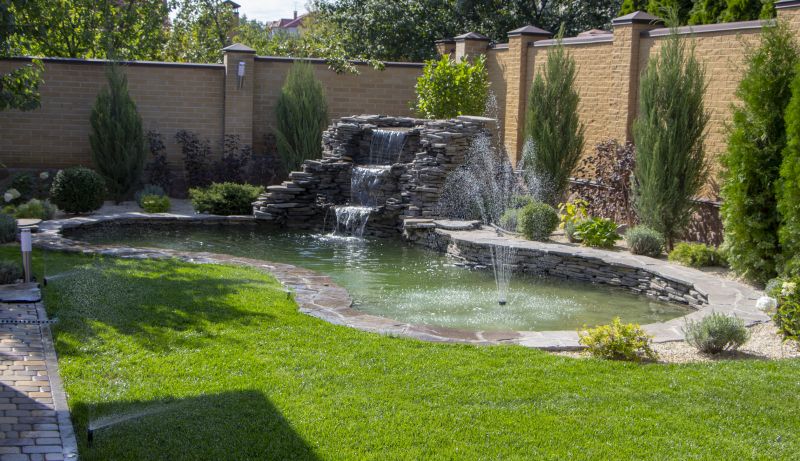
Use consistent comparison criteria across local contractors by clearly defining scope, verifying experience, and setting expectations in writing.
- Project Scope Definition - clearly outline the specific water features and landscape elements to be included in the project.
- Design Preferences - specify desired styles, materials, and features to guide contractor proposals.
- Experience Verification - verify that local contractors have relevant experience with water feature landscaping projects.
- Scope Documentation - ensure all project details, including materials and features, are documented in writing before work begins.
- Comparison and Selection - evaluate multiple service providers based on scope clarity, experience, and written proposals to find the best match.
When evaluating contractors for water feature landscaping, it’s important to consider their experience with similar projects. Homeowners should inquire about the types of water features the service providers have installed, such as ponds, waterfalls, or fountains, and ask for examples of past work that align with the desired scope. A contractor’s familiarity with the specific challenges and requirements of different water features can help ensure the project is handled with expertise and that the final result meets expectations.
A clear, written scope of work is essential when comparing options. Service providers should be able to outline the details of the project, including design elements, materials, installation methods, and any additional features or considerations. Having a comprehensive scope documented in writing helps prevent misunderstandings and provides a basis for evaluating what each contractor plans to deliver, making it easier to identify differences in approach and level of detail.
Verification basics involve confirming a contractor’s background and track record through references or portfolios of completed projects. Homeowners can ask for contact information of previous clients or look for examples of water feature landscaping projects similar in scale and style. Verifying a contractor’s experience helps gauge their reliability and skill level, ensuring that they have successfully managed similar projects and understand the technical aspects involved.
When comparing options, it’s helpful to assess how each service provider communicates and documents the project details. Review the scope of work, timelines, and responsibilities outlined in proposals or estimates. Clarify any uncertainties about the process, materials, or responsibilities before making a decision. Focusing on the clarity of communication and the thoroughness of the project outline allows homeowners to evaluate the professionalism and preparedness of each contractor, leading to a more informed choice.
Ask contractors to provide written scope details to ensure clear expectations and consistent project understanding.
- Experience and Portfolio - What type of water feature landscaping projects have local contractors completed recently?
- Scope of Services - How do contractors define the scope of work for water feature landscaping to ensure all aspects are covered?
- Design and Materials - What design options and materials do service providers typically recommend for water features?
- Experience with Site Conditions - How do local contractors address unique site conditions and environmental factors in their planning?
- Written Agreements - What details are included in the scope of work to clarify expectations and prevent misunderstandings?
How can I compare contractors for water feature landscaping? To compare local contractors, review their experience, services offered, and reputation. Gathering multiple quotes and checking references can also help identify the best fit for the project.
What should I consider when defining the scope of a water feature project? Clearly outline the type of water feature, desired size, materials, and any specific design elements. Communicating these details helps contractors provide accurate proposals and ensures expectations are aligned.
How do I verify a contractor’s experience with water feature landscaping? Ask contractors about their past projects, request examples or references, and confirm their familiarity with the specific water features you want to include in your landscape.
Why is it important to have a written agreement with a contractor? A written agreement details the scope of work, materials, and responsibilities, helping prevent misunderstandings and providing a clear reference for project expectations.
What questions should I ask a contractor before hiring for water feature landscaping? Inquire about their experience, the process they follow, how they handle design and material choices, and how they communicate project progress and changes.
How can I ensure the contractor understands my vision for the water feature? Share detailed descriptions, images, or sketches of your desired design, and confirm that the contractor has a clear understanding before work begins.
By exploring the options available through local contractors, visitors can gain a clearer understanding of how to define project scope, verify experience, and set clear expectations in writing. This approach helps ensure that the water feature landscaping project aligns with specific needs and preferences, providing confidence in the selection process. Utilizing the quote form to compare different service providers offers a straightforward way to gather information and make informed decisions.
Taking advantage of the quote form allows visitors to connect with local contractors who specialize in water feature landscaping. Comparing these service providers can help clarify the differences in experience and approach, making it easier to identify the best match for the project. Engaging with multiple local contractors through this process supports a well-informed choice tailored to individual goals.